
Employees Are Velociraptors
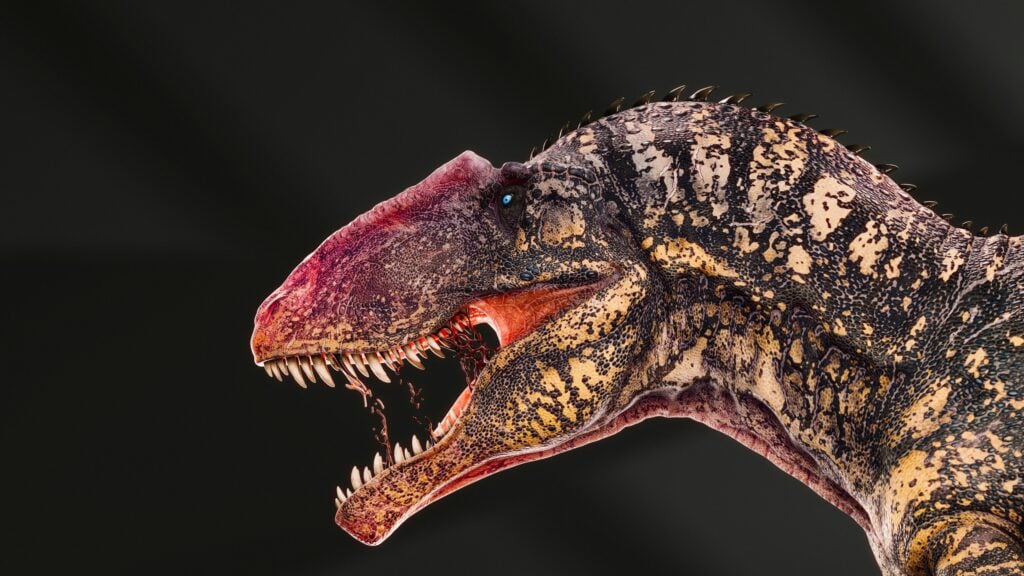
Tell someone you think #employeesarevelociraptors and watch what happens. Jurassic Park diehards lean in immediately. Everyone else hears ‘monsters.’ Neither group is wrong, exactly — but only one of them gets what I actually mean.
First, I didn’t know there were Jurassic Park fans out there as committed to the franchise as I am (the first one was THE best). Interestingly, they respond to the hashtag quite differently than people who don’t love T-Rex. The Jurassic Park fan club members immediately lean in and the conversation tilts toward how smart the velociraptors are. Without exception, someone will bring up the opposable thumbs and the ability to open doors. Conversely, people who haven’t watched the movies an extraordinary number of times think “monsters” or maybe even “evil”. Neither is precisely what I mean.
When I say #employeesarevelociraptors, I mean employees study their environments with a level of understanding that is often underestimated or underappreciated. Then, based on what they have studied, they behave accordingly. They’re going to do whatever ensures they survive and their eggs successfully hatch. Now, enter the retractable claw: if their studies teach them they need to use it, they will, and they’ll do it stealthily.
Perhaps there’s more correlation between human nature and these prehistoric creatures than we think: circumstances change, but human and dinosaur nature do not. In every Jurassic Park movie, we know what to expect from the dinosaurs, including the ones that aren’t velociraptors. The humans are going to try to find a way to tame their nature for profit, and the dinosaurs’ innate qualities can only be suppressed for a very short time. Then, when the dinosaurs’ true nature breaks through, a bunch of humans are eaten. EVERY SINGLE TIME.
You see, the velociraptors aren’t monsters: they’re just focused on survival. They scan the environment for opportunities to eat and signs of safety. Humans do the same thing: they constantly scan the environment for signs of safety so that they can survive or weather the environment long enough to find a different job.
The need for safety and predictability is so central to human beings that we even seek predictability in dysfunctional environments. Don’t believe me? Study the families of people who struggle with addiction. The family members manage living with the addict by studying their patterns. In turn, they protect themselves as much as possible based on the addict’s predictable behaviors.
Leaders would be well-served by making safety and predictability key features of their leadership styles while also incorporating these elements into their organization’s culture. Rather than feeling offended by the need to explain your directives, why not reframe it as giving people the information they need to feel safe to comply and ask the kinds of questions that will help them get aligned? Instead of dismissing how emotional intelligence might change your approach to engaging as a waste of time, frame it as a tool to increase overall effectiveness. On the other hand, why not embrace this reality: when velociraptors feel threatened, they will lean into being pack hunters and catch you when you’re least suspecting (they already know your routines and habits because, even when they aren’t hunting, they’re scanning for safety and the tools to survive)?
If you are intentional, you can be Owen.